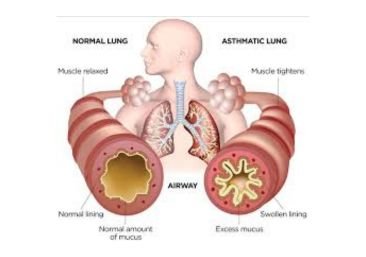
Breathlessness, or dyspnea, can result from several causes—some minor, others potentially serious. It’s often linked to lung diseases like asthma, COPD, or pulmonary fibrosis,
Breathlessness, or dyspnea, can result from several causes—some minor, others potentially serious. It’s often linked to lung diseases like asthma, COPD, or pulmonary fibrosis, but it can also be a symptom of heart problems, anemia, or even anxiety disorders. In many cases, patients delay seeking help, attributing it to poor stamina or age, which may worsen the condition over time.
Dr. Piyu Jain, a highly experienced Chest Physician and Interventional Pulmonologist, highlights that early diagnosis plays a vital role in managing breathlessness. With a detailed evaluation—combining clinical examination, imaging tests like chest X-rays or CT scans, and lung function tests (spirometry)—Dr. Jain identifies the precise cause behind your breathing difficulty.
You should seek medical attention if you experience any of the following:
-
Sudden or unexplained shortness of breath
-
Breathlessness while resting or lying flat
-
Associated symptoms like chest pain, wheezing, or fatigue
-
Difficulty breathing that worsens over time
For example, breathlessness due to asthma can be effectively controlled with inhalers and allergy management. COPD-related breathlessness may need bronchodilators, oxygen therapy, or pulmonary rehabilitation. If the cause is heart-related, a referral to a cardiologist may be necessary—but it all starts with accurate evaluation.
Breathing is something we often take for granted—until it becomes difficult. If you’re noticing a change in your breathing pattern or struggling to catch your breath during routine activities, don’t ignore the signs.
Dr. Jain and his team offer comprehensive, patient-focused care using the latest diagnostic tools and treatment options. With personalized attention and a clear treatment plan, most causes of breathlessness can be managed or even reversed.