When it comes to diagnosing lung problems, sometimes imaging alone isn’t enough. That’s where a bronchoscopy becomes an essential tool.
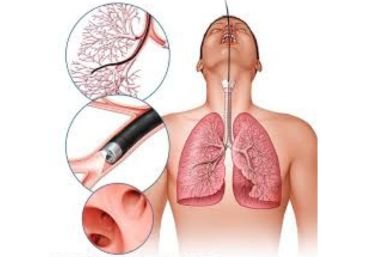
When it comes to diagnosing lung problems, sometimes imaging alone isn’t enough. That’s where a bronchoscopy becomes an essential tool. It’s a minimally invasive procedure that allows a lung specialist to look directly inside your airways and lungs using a thin, flexible instrument called a bronchoscope.
Dr. Piyu Jain, a skilled Interventional Pulmonologist, performs bronchoscopy to accurately diagnose conditions like lung infections, chronic cough, airway blockages, abnormal X-ray findings, or even suspected tumors. This procedure helps provide answers when symptoms persist despite routine tests.
During a bronchoscopy, the bronchoscope is gently passed through the nose or mouth into the windpipe and airways. The procedure is typically done under local anesthesia with mild sedation, ensuring the patient is relaxed and comfortable throughout. It allows the doctor to visually examine the airways and, if needed, take tissue samples (biopsy), collect mucus, or remove blockages.
Common reasons for recommending a bronchoscopy include:
-
Unexplained chronic cough
-
Blood in sputum (hemoptysis)
-
Lung nodules or shadows seen on a CT scan
-
Persistent lung infections
-
Suspected airway tumors or narrowing
The procedure usually takes 20–30 minutes, and most patients can go home the same day after a short observation period. It’s a safe and effective diagnostic method with minimal risk when performed by an experienced specialist like Dr. Jain.
What makes bronchoscopy so valuable is its ability to provide direct insight into lung conditions, often leading to faster and more accurate diagnosis. It can also guide treatment decisions and help rule out serious conditions early.
If you've been advised to undergo a bronchoscopy or have persistent lung symptoms without a clear cause, you're in expert hands with Dr. Piyu Jain. His precision, experience, and patient-centered care ensure both safety and clarity in your diagnosis journey.